




M-21, Mezzanine Floor, Zehra Mobile Mall, Opposite Jilani Center, Kharadar, Karachi · +92 334 342 9878 · merjaantradingcompany@gmail.com
No. 04 Unrefined cane sugar · Blocks, cubes & powder
Jaggery (Gur & Shakkar)
Winter-boiled cane, never bleached.
Gur from the sugarcane belt of Jaranwala and Shahkot in Punjab and from Charsadda in Khyber Pakhtunkhwa — boiled in open iron pans during the October–March crush, set in moulds and packed without hydros bleach, colour or additives. Blocks, cubes and granular shakkar.

Overview
The colour should come from the cane
Jaggery is what sugar was before refineries: cane juice boiled down until it sets. Fresh-cut cane is crushed, the juice is boiled for two to three hours in wide iron pans, and the scum is skimmed off by hand as it rises. When the syrup reaches the right point it is poured into moulds or worked into powder.
Much of the pale, bright-yellow gur sold in local markets owes its colour to sodium hydrosulphite (“hydros”), a bleaching agent. Export buyers reject it — and so do we. Our jaggery is golden-amber to brown because that is the colour of boiled cane; each lot is tested for sulphur dioxide residue before packing.
Moisture decides how well gur travels. Export lots are dried to 5 % or below for blocks and 3 % for powder, packed in lined cartons and shipped preferably between October and April, with container desiccants on summer sailings.
The range
Jaggery grades & formats
Add any grade to your inquiry list — we quote the whole list together, with packing options and freight.
-
JGY-BLKTraditional
Jaggery blocks
Hand-moulded blocks in the traditional shape.
- 500 g, 1 kg or 5 kg blocks
- Golden-amber to brown
- Vacuum-wrapped or cartoned
-
JGY-CUB
Jaggery cubes
Uniform bite-size cubes for retail and food service.
- 10–25 g per cube (≈ 2.5 cm)
- Zip pouches 250 g – 1 kg
- Low dust, low breakage
-
JGY-PWD
Shakkar (powder)
Granulated jaggery — a direct swap for brown sugar.
- 0.5–3 mm granules
- Moisture ≤ 3 %
- Free-flowing
-
JGY-FLV
Flavoured gur
Festive and snack varieties made to order.
- Fennel & cardamom
- Ginger
- Peanut, sesame or mixed dry fruit
Specifications
Measurements & quality parameters
All figures are shown in metric units — .
| Parameter | Blocks & cubes | Powder (shakkar) |
|---|---|---|
| Sucrose | 70 – 85 % | 75 – 88 % |
| Reducing sugars | 6 – 12 % | 5 – 10 % |
| Moisture | ≤ 5 % | ≤ 3 % |
| Total ash | ≤ 3 % | ≤ 3 % |
| Water-insoluble matter | ≤ 1 % | ≤ 0.5 % |
| Sulphur dioxide (SO₂) | Not detected (no hydros) | Not detected |
| Colour | Golden-amber → dark brown (grades A–C) | Light to medium brown |
| Grade | Colour | Texture | Typical buyer |
|---|---|---|---|
| Super / A | Bright golden-amber | Hard, crystalline, low moisture | Export retail, premium food |
| Premium / B | Amber | Firm, good aroma | Food manufacturers, export |
| Standard / C | Amber-brown | Firm to medium | Food service, bakery |
| Industrial | Dark brown | Softer, higher moisture | Animal feed, distilling, bulk processing |
Packing
Export packaging
- Retail
- 250 g, 500 g and 1 kg zip pouches or vacuum packs, plain or private label.
- Food service
- 5 kg vacuum-wrapped blocks; 10 kg and 20 kg cartons with food-grade PE liner.
- Powder bulk
- 25 kg laminated bags with PE liner, heat-sealed.
- Container care
- Desiccant strips and kraft liners on summer sailings to manage condensation.
Loading
Container loads
Ship October–April where possible; summer sailings use desiccants.
| 10 kg cartons — 20′ | ≈ 1,800 – 2,000 cartons = 18–20 MT |
|---|---|
| Powder, 25 kg bags — 20′ | ≈ 800 bags = 20 MT |
| Trial order — LCL | From 1 MT |
- Minimum order
- 1 MT trial (LCL) · one 20′ for best pricing
- Lead time
- 10–20 days in season (Oct–Mar); from stored stock off-season
- Samples
- 1 kg of each form by courier
- Incoterms
- FOB Karachi, CFR, CIF · what these mean
From source to container
How we prepare jaggery
- 01
Crush
Cane is crushed within hours of cutting to keep the juice fresh.
- 02
Boil & skim
Juice is boiled 2–3 hours in iron pans; impurities skimmed by hand.
- 03
Set
Syrup is poured into moulds or beaten into granules as it cools.
- 04
Dry & pack
Dried to export moisture, tested, packed in lined cartons.
Paperwork
Shipping documents
- Commercial invoice & packing list
- Certificate of Origin
- Certificate of Analysis (incl. SO₂)
- Health / food-safety certificate as required
- Halal certificate from the processing unit, on request
HS codes: 1701.13 — Cane sugar per subheading note 2 (non-centrifugal — jaggery, gur). Final classification is confirmed by your customs broker.
Markets
Who buys it
- Retail natural-sweetener ranges
- Bakeries, confectionery and sweets
- Beverage makers (teas, kombucha, rum)
- Ethnic and South Asian grocery
- Health-food and wellness brands
- Animal feed (industrial grade)
Storage. Jaggery absorbs moisture from the air. Store below 25 °C in sealed packs at low humidity; reseal opened packs. Properly stored, it keeps its quality for about 12 months.
In the field
Sourcing & dispatch

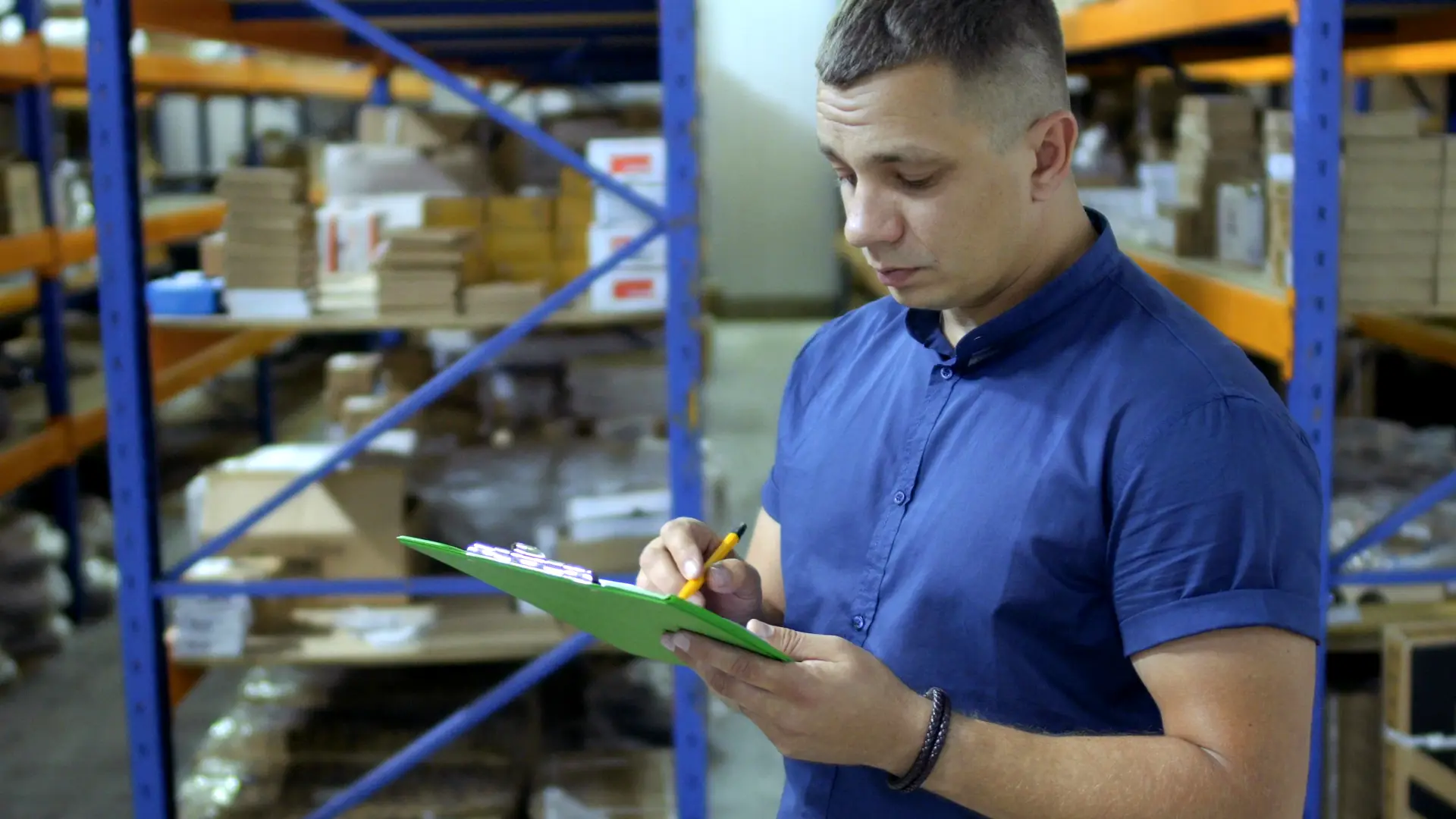
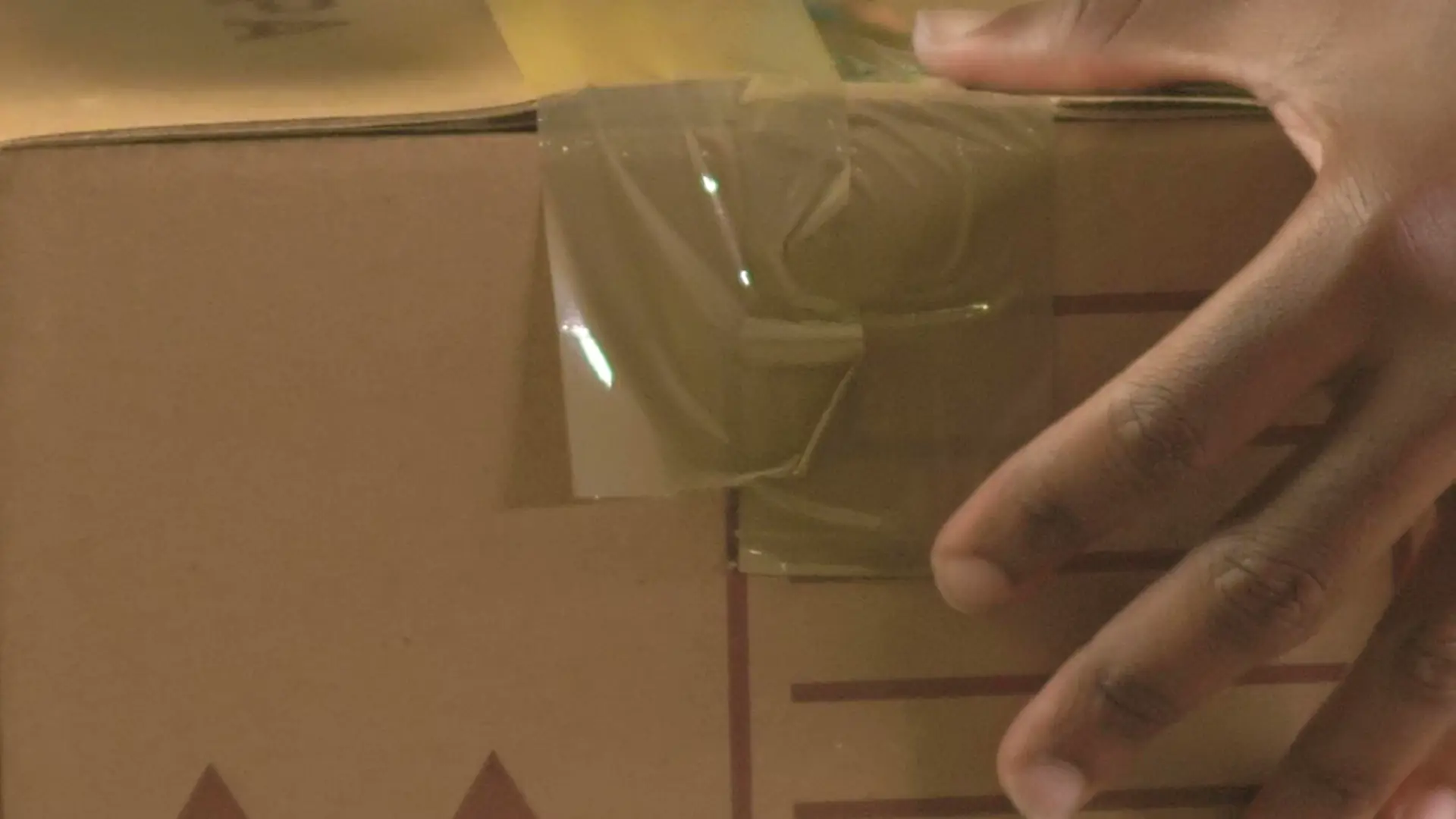
Footage and stills show our wider supply chain; product photography for your specific lot is supplied with every quotation.
Questions buyers ask
Jaggery FAQ
More in the buyer FAQ.
Is your jaggery chemical-free?
Yes. It is made from cane juice only, clarified by skimming. We do not use sodium hydrosulphite (hydros) or any colour, and each lot is tested for sulphur dioxide residue.
What is the difference between gur and shakkar?
Gur is jaggery set into blocks or cubes. Shakkar is the same product worked into granules as it cools — it measures and dissolves like brown sugar.
How do you stop jaggery melting or going sticky in transit?
We dry export lots to 5 % moisture or less (3 % for powder), use PE-lined cartons and add container desiccants on warm-season sailings.
When is the best time to order?
Fresh production runs from October to March. Orders outside the season ship from stock stored in cool conditions.
Often shipped together
Consolidate a container
Mix lines in one shipment to reach a full container sooner.
Next step
Price jaggery for your port.
Tell us the grade, quantity and destination. We reply with a quotation, specification sheet and freight options — usually within one working day.